Tech in Cleaning: Exploring the Latest Gadgets and Technology in Cleaning (Part 2)

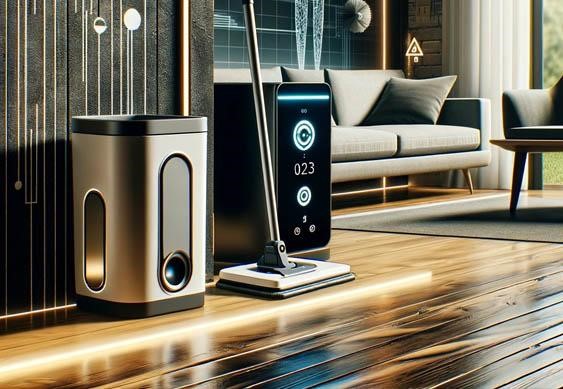
Smart Home Cleaning Systems
Integrating Intelligence into Home Hygiene
The concept of smart homes has extended its reach into the realm of cleanliness,
introducing smart home cleaning systems.
These systems represent a fusion of automation, convenience, and efficiency, redefining our approach to household
chores. From floors to air, every aspect of home cleaning is being transformed by
smart technology.
The Role of Automation and Connectivity
At the heart of smart home cleaning systems lies the integration of automation and
Internet of Things (IoT) connectivity. These systems can communicate with other
smart devices, respond to voice commands, and be controlled remotely through
smartphones. This interconnectedness not only simplifies the cleaning process but
also enables customization according to individual preferences and lifestyles.
Types of Smart Cleaning Products
A variety of smart cleaning products are available, each designed to tackle different
cleaning tasks:
- Smart Mops and Floor Cleaners: Beyond vacuuming, these devices can mop and scrub floors. Some even have the ability to detect the type of flooring and adjust their cleaning method accordingly.
- Automated Trash Cans: These can open with a motion sensor or voice command, reducing contact and the spread of germs. Some models are equipped with self-sealing and self-changing features, encapsulating waste without human intervention.
- Self-Cleaning Litter Boxes: Designed for pet owners, these litter boxes automatically remove waste and keep the litter fresh, minimizing odor and the hassle of daily scooping.
- Smart Air Purifiers: These devices continuously monitor air quality and adjust their settings to ensure optimal air conditions, removing dust, allergens, and other pollutants.
AI and IoT: The Brains Behind Smart Cleaning

Artificial Intelligence (AI) and the Internet of Things (IoT) are the driving forces behind these smart systems. AI enables the devices to learn from their environment and user habits, improving their efficiency over time. The IoT connectivity allows seamless control and monitoring, providing updates and alerts to users, and enabling remote management.
Challenges and Future Prospects
While smart home cleaning systems offer a glimpse into a futuristic and efficient way of living, there are challenges to consider. The initial cost can be a barrier for some, and the reliance on technology raises concerns about privacy and data security. Nevertheless, as technology advances, these systems are becoming more accessible and secure, paving the way for wider adoption.
The Future of Cleaning Technology
Envisioning Tomorrow's Clean Homes
As we stand at the forefront of technological innovation in cleaning, the future holds exciting possibilities that could further revolutionize how we maintain our living spaces. Advances in technology are not only making cleaning more efficient and less time-consuming but are also pushing the boundaries of what's possible in household hygiene.
Emerging Trends in Cleaning Tech
- AI-Driven Personalized Cleaning: Future cleaning devices may use advanced AI to learn individual preferences and cleaning habits, tailoring their functions to suit each home's unique needs.
- Integrated Home Cleaning Systems: Imagine a home where cleaning systems are fully integrated into the architecture, with built-in sensors and cleaners that work seamlessly to maintain cleanliness.
- Advanced Robotics: The next generation of cleaning robots could be more autonomous, capable of handling complex tasks like sorting and laundry, or even cleaning multiple surfaces with precision.
- Eco-Friendly Innovations: As environmental concerns grow, we can expect to see more eco-friendly cleaning technologies, such as water-saving devices and biodegradable cleaning agents.
Potential Impact of Advanced Technologies
The integration of advanced technologies like IoT, AI, and robotics has the potential to create smart cleaning systems that are not only more efficient but also more adaptive to our changing needs. These systems could provide real-time data on home cleanliness and air quality, making our living spaces healthier.
Ethical and Environmental Considerations
As we embrace these innovations, it's crucial to consider their ethical and environmental impacts. Issues such as electronic waste, energy consumption, and data privacy need to be addressed to ensure that the future of cleaning technology is sustainable and responsible.
The Human Element
Despite these technological advancements, the human element remains vital. The design and operation of future cleaning technologies should focus on enhancing human well-being, maintaining a balance between automated efficiency and personal touch.
Conclusion
As we have explored, the landscape of home cleaning is undergoing a remarkable transformation, driven by advancements in technology. From robotic vacuum cleaners and UV sanitizers to smart home cleaning systems, these innovations are redefining what it means to maintain a clean and healthy living space. They offer unprecedented convenience, efficiency, and effectiveness, changing our daily routines and freeing up time for what truly matters.
However, as we embrace these exciting developments, it's important to remain mindful of their limitations and the need for responsible usage. Balancing technological assistance with traditional cleaning methods, considering environmental impacts, and prioritizing data security are essential as we integrate these tools into our lives.
The future of cleaning technology holds immense promise, offering a glimpse into a world where cleanliness and hygiene are seamlessly integrated into our homes. As we look forward to these advancements, we must do so with a sense of anticipation and responsibility, ensuring that the evolution of cleaning technology continues to enhance our quality of life in a sustainable and positive way.