Cultural Approaches to Cleaning: Exploring Traditions and Practices Worldwide Part 1

Cleaning is a universal human activity, but the methods and meanings behind it vary
widely across cultures. From ancient rituals deeply
intertwined with spirituality to
modern practices shaped by urbanisation, cultural approaches to cleaning offer a
window into the values and traditions of different societies. In this article, we embark on
a journey around the globe to explore the rich tapestry of cleaning traditions and
practices. By delving into these diverse cultural perspectives, we gain insights into how
cleanliness is not just about physical tidiness but also about spiritual purity, community
bonds, and societal values. Join us as we uncover the fascinating world of cultural
approaches to cleaning and discover the myriad ways in which cleanliness shapes
human experiences worldwide.
Ancient Rituals and Spiritual Cleansing
Throughout history, various cultures have imbued cleaning with spiritual significance, viewing it as a means of purifying both the physical environment and the soul.
Japanese Osoji:

In Japan, the tradition of "osoji" holds deep cultural importance. Before the New Year, families engage in a thorough cleaning of their homes, known as "oosouji." This practice aims to purify the space, removing physical dirt and clutter to welcome good fortune and prosperity for the coming year. Osoji involves not only cleaning but also decluttering and organising possessions, symbolising a fresh start and renewal.
Hindu Soucha:
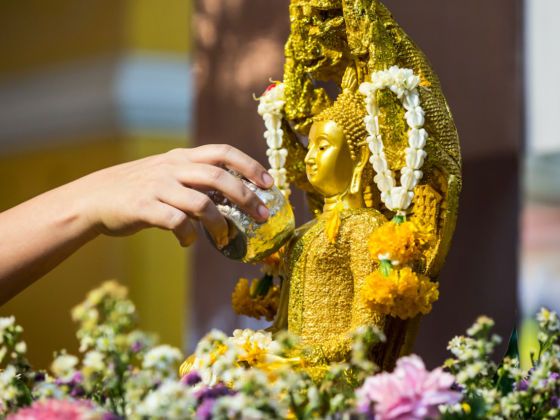
In Hinduism, the concept of "soucha" emphasises cleanliness as a form of spiritual purification. Before engaging in religious ceremonies or rituals, individuals are required to perform soucha, which involves bathing and cleaning the body to remove impurities. Similarly, cleaning the home before auspicious occasions is considered essential to create a sacred space conducive to spiritual practices and offerings.
Ancient Egyptian Rituals:
In ancient Egypt, cleanliness was associated with ritual purity and religious practices. Temples and tombs were meticulously cleaned and purified to maintain the sanctity of sacred spaces and honour the gods. Priests performed elaborate cleansing rituals, including washing statues and offerings, to ensure the spiritual cleanliness of the environment.
Native American Smudging:
Among Native American cultures, smudging is a ceremonial practice used for spiritual cleansing and purification. It involves burning sacred herbs, such as sage or sweetgrass, and using the smoke to cleanse the body, mind, and living spaces of negative energy and impurities. Smudging rituals are performed during significant events, ceremonies, or times of transition to promote harmony and balance.
To be continued