Air Purification in Your Apartment: Air, Dust, and Allergens


Clean air in your home is not just about opening a window or buying an air purifier. Indoor air
quality is influenced by three main factors: airborne
particles, dust on surfaces, and
biological allergens. They behave differently and require different approaches.
If you try to deal with them using the same methods, the results will be inconsistent. But if
you manage each of them properly, your apartment will become noticeably fresher,
healthier, and easier to keep clean.
Understanding the Difference: Air, Dust, and Allergens
Airborne particles: microscopic pollutants such as fine dust (PM2.5), soot, odors, and bacteria that remain suspended in the air.
Dust: larger particles that settle on surfaces - textile fibers, skin flakes, and dirt brought in from outside.
Allergens: biological irritants such as dust mites, mold spores, and pet dander that can trigger allergic reactions.
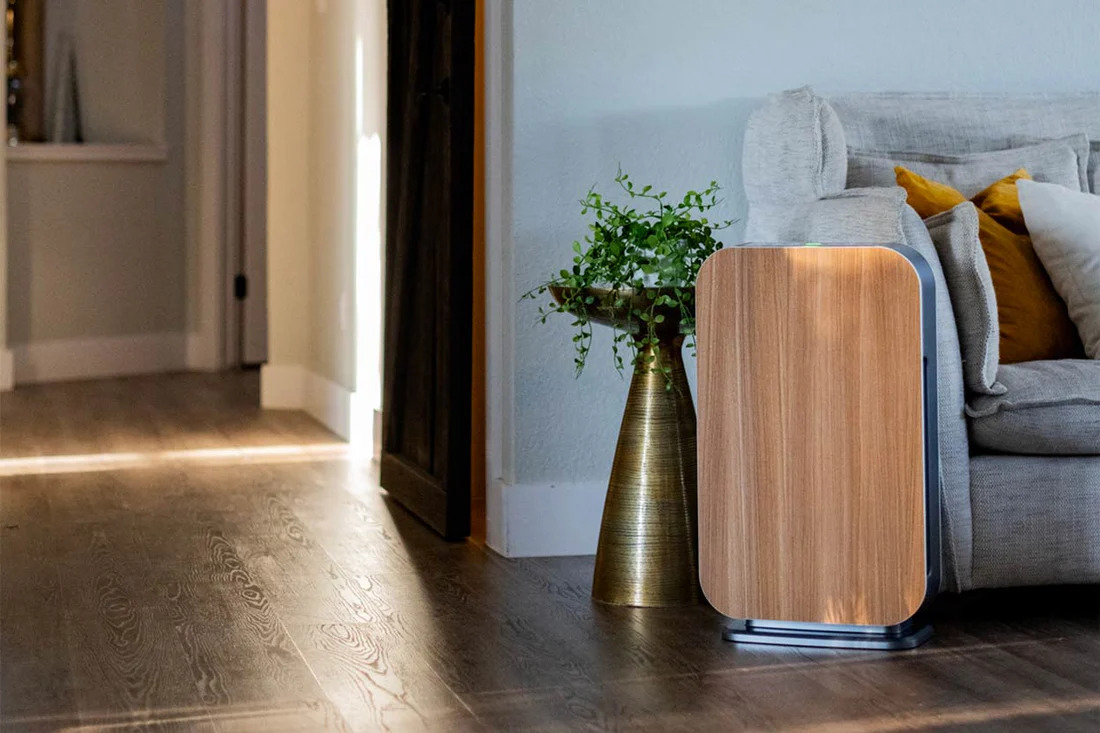
1. Air Filtration: Your First Line of Defense
The most effective way to clean indoor air is mechanical filtration.
Use a HEPA air purifier
- Captures microscopic particles (dust, pollen, smoke)
- Works continuously - even with windows closed
- Ideal for bedrooms and living areas
Upgrade HVAC filters
- Choose filters rated MERV 13 or higher
- Replace them every 1-3 months
- Dirty filters reduce airflow and efficiency

Placement tips
- Place air purifiers where you spend the most time
- Avoid blocking airflow with furniture
- Keep doors closed in frequently used rooms for better results
2. Managing Dust and Allergens
Filtration alone is not enough - most pollutants come from surfaces.
Surface care
- Prefer hard flooring (wood, tile) instead of wall-to-wall carpeting
- Use washable rugs instead of heavy textile carpets

Soft furnishings
- Use allergen-resistant covers for mattresses and pillows
- Wash bedding and curtains regularly at ≥55°C (130°F)
- Vacuum sofas and mattresses frequently
Humidity control
- Keep indoor humidity below 50%
- This reduces dust mites and prevents mold growth
- Use a dehumidifier if necessary
Effective cleaning habits
- Use a vacuum cleaner with a HEPA filter
- Clean from top to bottom to avoid recontamination
- Avoid dry dusting - use slightly damp microfiber cloths

3. Ventilation: Refreshing Air the Right Way
Fresh air is essential, but how you ventilate matters.
Cross ventilation
- Open windows on opposite sides
- Creates natural airflow that pushes stale air out
- Most effective for quick air refresh
Targeted exhaust
- Use fans in the kitchen and bathroom
- Removes moisture, odors, and pollutants at the source
Controlled airflow
- Use fans to direct fresh air into the room
- Helps maintain positive pressure and reduce pollutant buildup
When to ventilate
- Early morning or late evening (lower pollution levels)
- After cleaning, cooking, or showering
When to Consider Professional Cleaning
If you are dealing with:
- Persistent dust buildup
- Allergies or respiratory discomfort
- Odors that won’t go away
- Mold or high humidity issues
…it may be time for a more thorough, professional cleaning.
Cleanline provides comprehensive apartment cleaning services, helping remove hidden dust, allergens, and pollutants from every surface - improving not only cleanliness but also air quality.